The logistics industry is entering a new era often referred to as “Logistics 4.0,” where advanced technologies such as automation, artificial intelligence, robotics, and the Internet of Things (IoT) are transforming how supply chains operate. Inspired by the broader concept of Industry 4.0, Logistics 4.0 focuses on creating intelligent, interconnected systems capable of managing complex logistics networks with minimal human intervention. As these technologies continue to develop, an important question arises: Are businesses truly ready for full automation in logistics?
Traditionally, logistics operations have relied heavily on manual processes and human coordination. Tasks such as inventory management, warehouse operations, transportation planning, and order fulfillment required constant supervision and communication between multiple stakeholders. While these processes have supported global trade for decades, they often involved inefficiencies, delays, and limited visibility across supply chains.
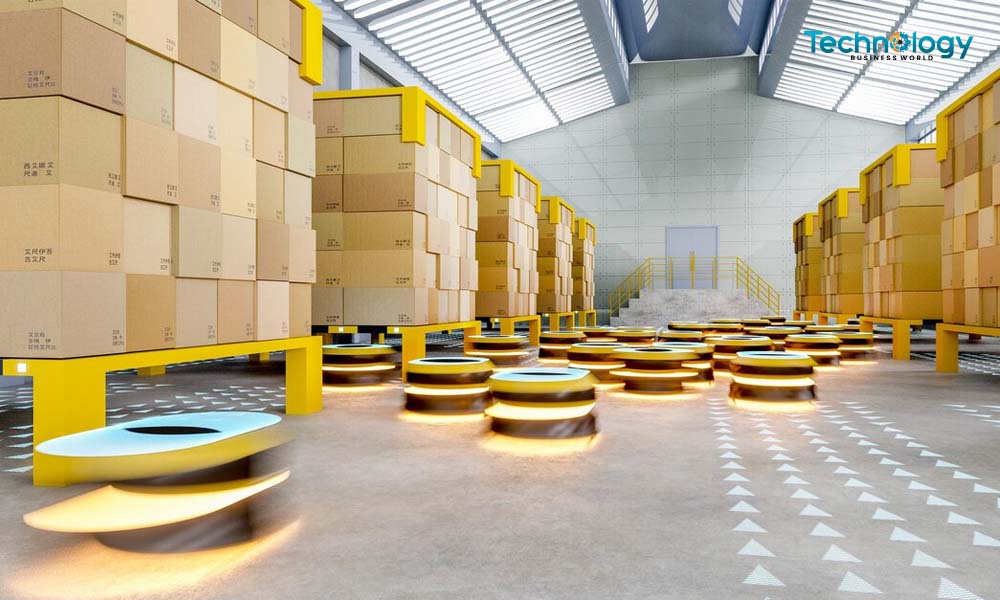
Logistics 4.0 aims to address these challenges through digital transformation. Smart warehouses equipped with automated robots and sensor-based systems can now manage inventory, sort packages, and prepare shipments with remarkable speed and accuracy. Autonomous vehicles and drones are also being tested for deliveries, potentially reducing delivery times and transportation costs.
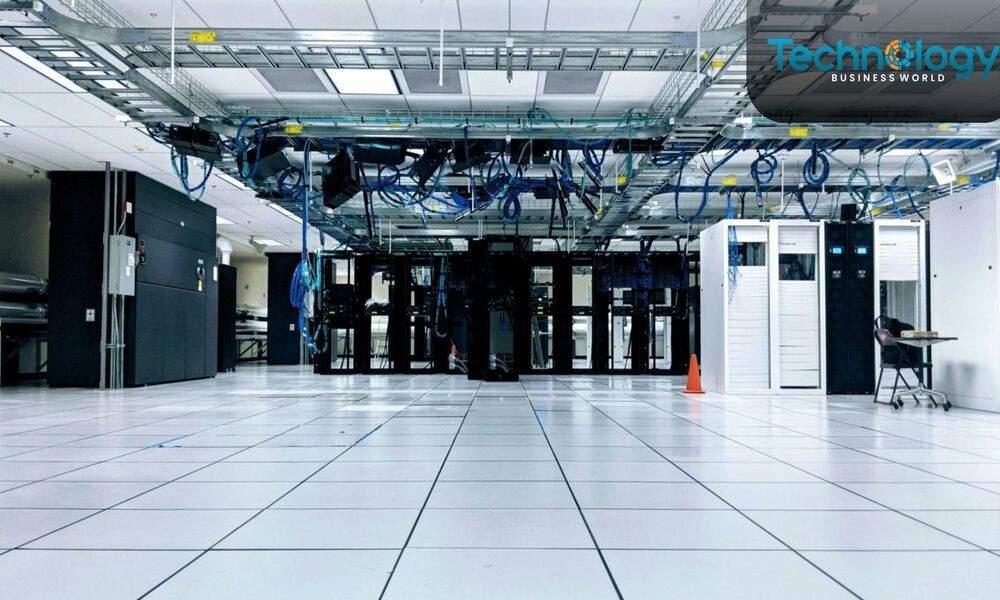
Another critical element of Logistics 4.0 is real-time data integration. Connected devices and IoT sensors allow companies to track goods throughout the supply chain, providing continuous updates on location, temperature, and handling conditions. This transparency enables logistics managers to detect disruptions quickly and make data-driven decisions to maintain operational efficiency.
Artificial intelligence is also playing a growing role in optimizing logistics processes. AI-powered systems can analyze historical data and current market trends to forecast demand, plan optimal delivery routes, and allocate resources more efficiently. These predictive capabilities help businesses reduce waste, avoid bottlenecks, and improve overall supply chain performance.
Despite the clear advantages of automation, many businesses still face significant challenges when adopting Logistics 4.0 technologies. Implementing advanced automation systems often requires substantial investment in infrastructure, software, and workforce training. Small and medium-sized enterprises, in particular, may struggle to allocate the necessary resources for such transformations.
Another challenge is the integration of new technologies with existing legacy systems. Many logistics networks rely on older infrastructure that may not easily connect with modern digital platforms. Ensuring seamless communication between various systems can be complex and time-consuming.
Workforce concerns also remain a key topic in discussions about logistics automation. While automation can increase efficiency and reduce repetitive labor, it may also raise concerns about job displacement. However, industry experts suggest that automation will likely shift workforce roles rather than eliminate them entirely. Employees may transition into more strategic, technical, and supervisory positions as logistics systems become more automated.
Cybersecurity is another important consideration in Logistics 4.0. As supply chains become increasingly connected, businesses must ensure that their digital infrastructure is protected from cyber threats that could disrupt operations or compromise sensitive data.
While full automation may still be years away for many organizations, the transition toward smarter and more automated logistics systems is already underway. Companies that invest in digital infrastructure, workforce development, and strategic planning will be better positioned to adapt to this evolving landscape.
Ultimately, Logistics 4.0 represents a major step toward creating faster, more efficient, and resilient supply chains. The question is not whether automation will reshape logistics—but how quickly businesses can prepare for and embrace this transformation.