Buying a new laptop, tablet, or gaming console is becoming more expensive, and many technology companies say rising demand for artificial intelligence infrastructure is one of the biggest reasons. As companies invest heavily in powerful data centers, the cost of essential memory chips has increased sharply, forcing manufacturers to adjust product prices. Analysts say soaring demand for memory and storage components has tightened supply across the consumer electronics market, affecting everything from laptops to gaming consoles.
The latest wave of price increases has sparked debate among consumers, with some accepting the explanation while others question whether rising costs alone justify higher retail prices.
Why Are Tech Companies Raising Prices?
Several leading manufacturers have recently announced higher prices for existing products. Unlike previous years, when electronics typically became cheaper over time, many devices are now becoming more expensive even after being on the market for years. Industry analysts point to growing demand for memory chips used in large-scale computing infrastructure as a key reason behind the shift.
The trend is also influencing tech AI deals and long-term supply agreements, as companies compete to secure critical chip supplies for future projects.
Memory Chip Demand Is Changing the Market
The biggest challenge facing manufacturers is the limited supply of memory chips.
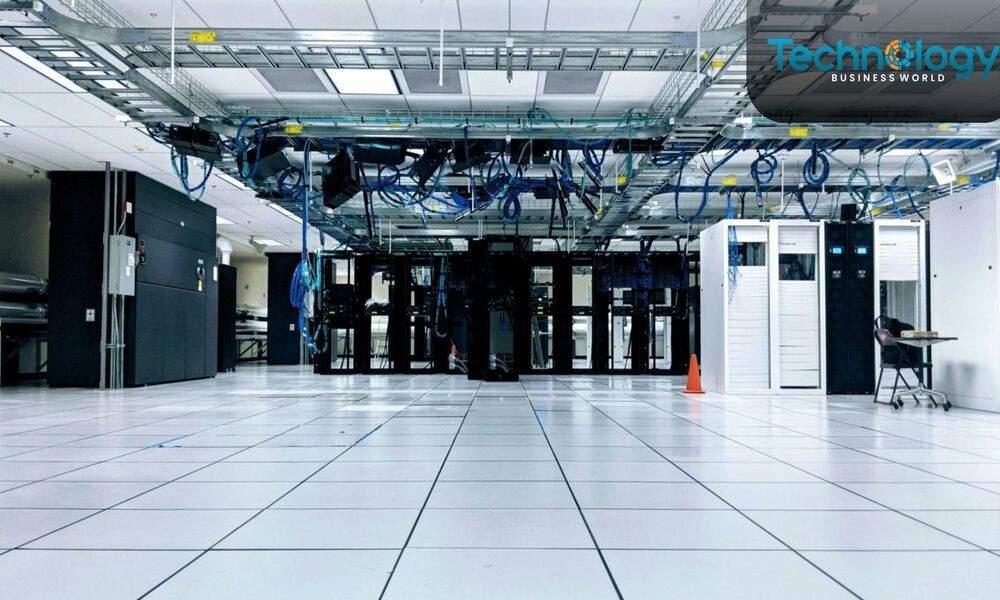
Modern data centers require enormous amounts of high-performance memory and storage, creating intense competition for available components. As demand grows, manufacturers are giving priority to large-volume customers with long-term contracts.
This has made it more difficult and expensive for consumer electronics companies to source the parts needed for everyday devices. Analysts describe this as one of the most significant supply disruptions the industry has experienced in recent years.
Key Technologies Driving AI Increase Hardware Demand
Several innovations continue to expand computing requirements across the technology sector.
These key technologies driving AI include:
- Advanced graphics processors (GPUs)
- High-speed memory chips
- Large-scale cloud data centers
- High-performance storage systems
- Specialized computing hardware
As investments continue, demand for these components is expected to remain strong over the next few years. This trend is influencing production strategies across the electronics manufacturing industry.
Big Tech Tightens Hold Over AI as Computing Costs Surge
Industry observers say big tech tightens hold over AI as computing costs surge, making competition for hardware even more intense.
Large technology companies are signing long-term supply agreements with chip manufacturers to secure future production capacity. These agreements help guarantee component availability but also reduce supply available for consumer electronics.
This changing market has affected manufacturers of laptops, gaming consoles, tablets, and desktop computers, many of which are now passing higher production costs on to consumers.
What Consumers Are Seeing
Consumers are already noticing the impact across multiple product categories.
Some of the recent market changes include:
- Higher prices for laptops and tablets.
- Increased costs for gaming consoles.
- More expensive memory and storage upgrades.
- Longer waiting periods for certain products.
- Reduced promotional discounts on popular devices.
These price increases are expected to continue if component shortages remain throughout the coming year.
Global Business Opportunities Continue to Grow
While consumers face higher prices, many businesses continue expanding investment in digital infrastructure.
Companies are exploring new tech AI offers and deals to strengthen cloud computing capabilities and improve processing power. The growing demand is also creating opportunities for semiconductor manufacturers and infrastructure providers.
At the same time, Indian tech firms to be key driver for global AI remains a growing industry discussion as software developers, engineering firms, and technology service providers continue supporting worldwide digital transformation projects.
Another area attracting attention is the market driver for trusted AI services, where businesses are focusing on secure, reliable, and responsible technology solutions for enterprise customers.
Future Impact on Device Prices
Technology companies believe pressure on component supplies may continue until additional manufacturing capacity becomes available. Until then, buyers may continue paying higher prices for devices that were once expected to become more affordable over time.
Although companies argue that increasing hardware costs are unavoidable, many consumers remain cautious about further price hikes. As demand for computing infrastructure continues to grow, the balance between technological innovation and affordable consumer products will remain one of the industry’s biggest challenges in the years ahead.
Read our latest Interview with Marcelo Lorenzetti