SoftBank is establishing itself as a key participant in the AI ecosystem in Europe as the race to construct cutting-edge AI infrastructure picks up speed. Discussions about how companies may use next-generation AI infrastructure to spur innovation and growth have been triggered by reports about SoftBank’s AI investments, especially its rising interest in France’s technology sector.
Industry analysts point out that SoftBank’s AI ambitions are a component of a larger plan to support cloud computing, high-performance data processing, and AI development. France’s growing technology ecosystem, highly qualified labor population, and government backing for digital transformation have made it a desirable location for these investments.
Advanced data centers are becoming essential resources for developing, implementing, and expanding intelligent applications as businesses look for new ways to use AI.
The Significance of AI Data Centers in the Digital Economy
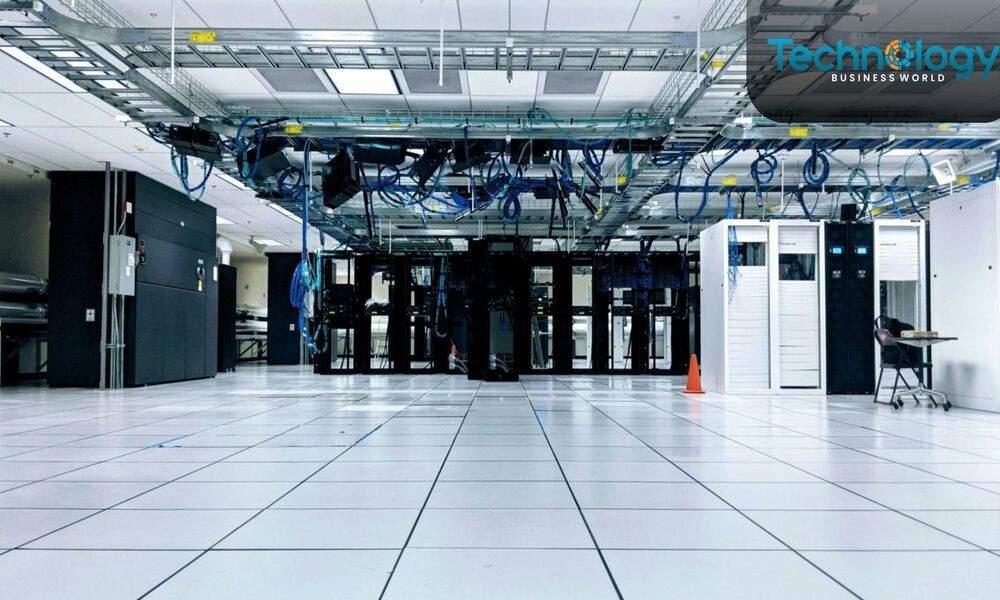
The processing capacity needed to enable machine learning, generative AI models, data analytics, and enterprise automation is provided by AI data centers. Strong processors, networking systems, and storage infrastructure built to handle massive AI workloads are housed in these facilities.
The growing need for technology capable of processing enormous volumes of data in real time is reflected in the increased focus on AI infrastructure.
Advantages of AI Data Centers
- Quicker training of AI models
- Enhanced performance of cloud computing
- Improved data management and security
- Shorter deployment durations
- Increased enterprise application scalability
- Support for automation and sophisticated analytics
High-capacity infrastructure is more crucial than ever as businesses from all sectors look for ways to incorporate AI into their operations.
SoftBank Investigates Investing in French AI Innovation
According to insiders, recent reports show that SoftBank is considering investing in the French AI startup Mistral, demonstrating the company’s desire to bolster Europe’s AI capabilities. These investments show faith in France’s expanding position as a center for AI innovation.
Technology businesses looking for access to AI talent, research experience, and favorable regulatory frameworks have shown a great deal of interest in the nation. SoftBank wants to help create a more robust and competitive AI ecosystem by investing in businesses and AI infrastructure.
These programs are in line with larger endeavors to hasten the use of AI in a variety of sectors, including manufacturing, telecommunications, healthcare, and finance.
How to Use AI in 2024 and Beyond
Executives and tech leaders now prioritize knowing how to use AI in 2024 as companies continue their digital transformation initiatives.
By concentrating on the following, organizations can optimize the benefits of AI infrastructure:
- Important Techniques for Using AI
- Automating routine business procedures
- Using AI assistants to improve customer service
- Improving decision-making based on data
- Increasing cybersecurity surveillance
- Enhancing supply chain performance
- Quickening the cycles of product development
Businesses may implement these solutions more effectively and support future growth by having access to strong AI data centers.
SoftBank Generative AI Initiatives’ Ascent
The quick development of generative AI is among the most revolutionary advances in the technology industry. SoftBank’s generative AI initiatives are cited by industry analysts as proof of increasing investment in technology that can produce content, analyze data, and increase operational effectiveness.
Applications of generative AI are utilized for:
- creation of content
- Support for software development
- Business intelligence
- Engagement of customers
- Development and research
- Management of knowledge
Strong data center infrastructure will be essential for supporting increasingly complex models as the need for generative AI grows.
How Software Engineering Can Use AI
One of the industries most affected by AI progress is software development. Numerous tech executives are investigating how to use AI in software engineering to boost output and code quality.
Engineers can benefit from AI-powered development tools:
- Provide code recommendations
- Determine software weaknesses
- Automate the testing procedure
- Boost the effectiveness of debugging
- Quicken the creation of applications
- Improve the workflows for documentation
Organizations can implement these capabilities at scale while preserving performance and dependability if they have access to sophisticated AI technology.
SoftBank’s More Comprehensive Plan for AI Development
The goals of SoftBank go beyond building infrastructure. The company’s interest in using AI in a variety of industries is demonstrated by reports like SoftBank Group’s creation of an AI service that analyzes medical data.
Increased investment in AI is anticipated to assist a number of industries, including healthcare, banking, logistics, and telecommunications. SoftBank aims to give companies the chance to access new sources of wealth by fusing cutting-edge infrastructure with creative applications.
Industry observers are also keeping an eye on SoftBank’s negotiations to purchase a portion of the Sharp factory site for an AI data center, a move that reflects the rising need for large-scale AI computing facilities globally.
France’s Prospects for AI Infrastructure
With the help of an expanding network of tech firms, startups, and academic institutions, France is establishing itself as a top location for AI investment. The strategic significance of developing scalable AI infrastructure that can enable future innovation is shown by SoftBank’s involvement in the area.
Access to cutting-edge data centers will become a crucial competitive advantage as businesses continue to use AI to boost output, better consumer experiences, and create new services.
It is anticipated that enterprise adoption, startup funding, and AI infrastructure will drive technical advancement and help create the next wave of digital transformation in Europe and beyond.