Global tech behemoths like Microsoft must decide whether to pursue cutting-edge AI without jeopardizing their commitments to renewable energy as the technology continues to grow at an accelerated rate. Concerns are emerging that Microsoft’s ambitious sustainability agenda, which includes its commitment to clean energy, may be strained due to the increasing need for AI computer capacity. As the corporation investigates high-intensity power sources like nuclear energy and grows its AI infrastructure, this discussion becomes more urgent.
Additionally, a lot of users inquire about “is Microsoft AI safe to use” and “is Microsoft AI safe,” which reflects the general public’s interest in balanced innovation that safeguards the environment and society. However, detractors fear that environmental objectives may lag behind if energy-hungry AI workloads grow more quickly than clean electricity production.
AI’s Increasing Need for Power: A Two-Sided Blade
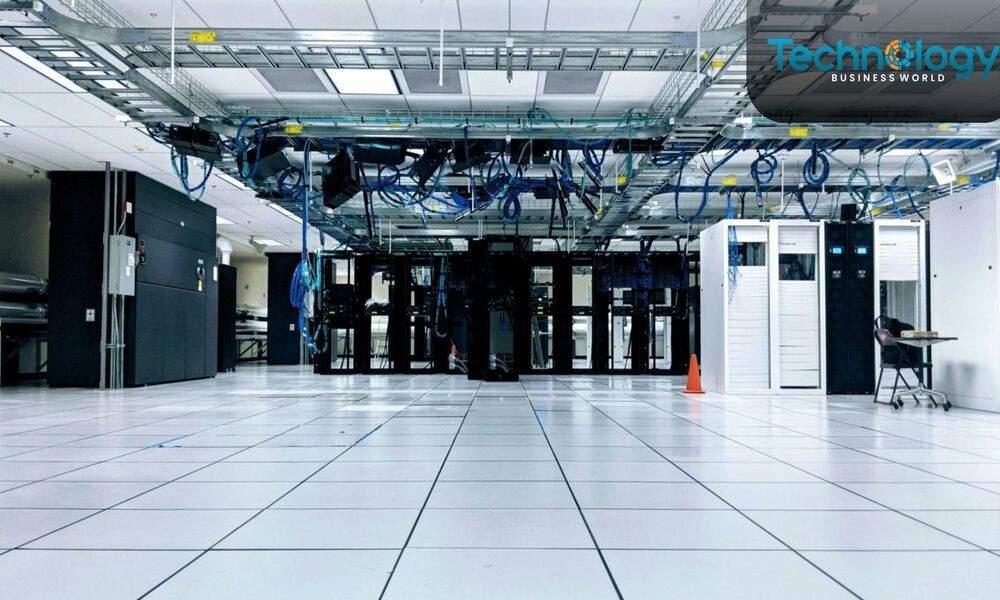
AI systems need a lot of electricity to train, operate, and cool, particularly large language models and data center workloads. Microsoft, a prominent participant in cloud infrastructure and AI research, has made great progress in constructing data centers that support AI workloads across the globe.
However, some energy experts wonder if Microsoft’s clean energy objectives—specifically, its commitment to become carbon negative by 2030—will be compromised by this quick growth. Microsoft is investigating every possibility to provide dependable and low-carbon infrastructure for its AI future, as seen by programs like Microsoft’s goal nuclear power AI operations.
AI Growth-Related Energy Pressures:
- Power consumption rises as GPU cluster demand rises.
- AI-optimized servers are taking the place of traditional data center loads.
- The development of AI infrastructure can occasionally outpace that of clean energy sources.
In this regard, detractors contend that increasing AI without correspondingly rapid growth in renewable energy could exacerbate the gap between aspiration and execution.
Microsoft’s Clean & Renewable Energy Initiatives
Microsoft has set ambitious goals to fight climate change while advancing AI technology.
Important Clean Energy Promises:
- By 2025, all data centers and operations will run entirely on renewable energy.
- By 2030, it wants to be carbon negative by removing more carbon than it emits.
- global investment in renewable energy projects, especially solar and wind.
- strategic agreements to maintain the supply of renewable energy for AI workloads.
However, in order to guarantee continuous energy for AI operations, the corporation is also investigating alternate carbon-free power sources, such as nuclear and advanced geothermal, given the magnitude of AI growth.
Experts point out that while Microsoft’s pursuit of diverse renewable energy is consistent with its long-term sustainability vision, its success will need strategic planning and collaboration with utilities, governments, and investment partners.
Beyond Renewable: AI, Nuclear, and Clean Power’s Future
Microsoft has announced clean energy deals in recent years, including partnerships and investments that go beyond conventional wind and solar providers. To sustain AI’s energy intensity without sacrificing emission targets, creative energy solutions like grid-level storage and small modular nuclear reactors are being investigated.
New Projects in Microsoft’s Energy Portfolio:
investigating smart grids supported by nuclear power to power AI data centers. Agreements for grid integration that balance clean baseload electricity with load surges. utilizing AI to achieve large-scale energy efficiency optimization.
By combining renewable energy sources with cutting-edge, carbon-free alternatives, these actions could design a more comprehensive clean energy roadmap in the tech sector.
AI Safety and Public Trust: Going Beyond Energy Use
In the meanwhile, public opinion also depends on safety and trust as AI adoption continues. Questions like “is Microsoft an AI leader” and “is Microsoft AI safe to use” show that public interest in AI extends beyond its effects on the environment to include its societal ramifications. To encourage responsible AI use, Microsoft is releasing safety-first initiatives, ethical guidelines, and AI governance frameworks.
Global trust in Microsoft’s all-encompassing technology approach is bolstered by both environmental stewardship and AI safety.
Can Microsoft Strike a Balance Between Clean Energy and AI?
A difficult but manageable problem is the conflict between Microsoft’s previous ecological intentions and AI’s expanding energy requirements. Microsoft is pursuing an integrated strategy that safeguards both technical advancement and environmental stewardship through significant investments in clean energy, creative power solutions like nuclear-backed grids, and a focus on responsible AI development.
Investors, environmentalists, and consumers will all be closely observing how Microsoft strikes this balance as the AI revolution picks up speed. If it is successful, the business might establish a new benchmark for leadership in the tech sector, where cutting-edge AI and an unwavering dedication to sustainable energy go hand in hand.