As businesses accelerate their digital transformation journeys, Enterprise Resource Planning (ERP) systems are emerging as critical enablers of the modern “smart enterprise.” Organizations across industries are increasingly relying on advanced ERP platforms to integrate operations, improve efficiency, and make data-driven decisions that support long-term growth.
Traditionally, ERP systems were designed to manage core back-office processes such as finance, procurement, human resources, and supply chain management. Their primary goal was to centralize organizational data and reduce operational inefficiencies. While these functions remain essential, the role of ERP has expanded significantly in recent years as companies adopt new technologies and digital strategies.
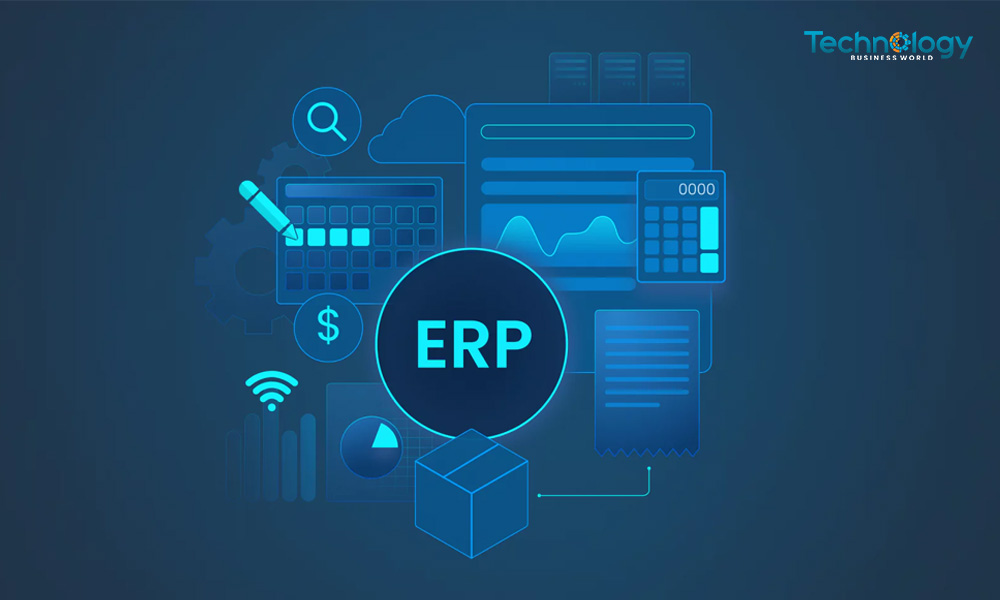
Today’s ERP systems are becoming intelligent business platforms that connect various departments and provide real-time insights into organizational performance. By consolidating data from multiple business units into a single system, ERP platforms allow companies to break down information silos and gain a unified view of their operations.
One of the key ways ERP systems are driving smart enterprises is through real-time analytics. Modern ERP solutions provide advanced reporting tools and dashboards that enable executives to monitor financial performance, inventory levels, customer demand, and operational efficiency instantly. This real-time visibility allows organizations to respond quickly to market changes and make more informed strategic decisions.
Automation is another major advantage of modern ERP platforms. Many routine processes—such as order processing, payroll management, and inventory tracking—can now be automated, reducing the risk of human error and freeing employees to focus on higher-value tasks. This increased efficiency helps businesses improve productivity and reduce operational costs.
The integration of emerging technologies is also strengthening the impact of ERP systems. Artificial intelligence, machine learning, and predictive analytics are being incorporated into modern ERP platforms, enabling businesses to forecast demand, identify potential supply chain disruptions, and optimize resource allocation. These capabilities allow companies to move beyond reactive management toward proactive planning.
Another important aspect of smart enterprises is seamless connectivity across digital systems. ERP platforms are increasingly being integrated with customer relationship management (CRM) tools, e-commerce platforms, and data analytics systems. This interconnected ecosystem ensures that information flows smoothly across departments, improving collaboration and enhancing the overall customer experience.
Cloud-based ERP solutions are further accelerating this transformation. By hosting ERP systems on cloud platforms, organizations can access their data and applications from anywhere while benefiting from scalable infrastructure and automatic system updates. This flexibility is particularly valuable for businesses operating in global or remote work environments.
However, the successful implementation of ERP systems requires careful planning and organizational alignment. Companies must ensure that their ERP strategies align with their overall business objectives and that employees receive proper training to adapt to new digital workflows.
Despite these challenges, the role of ERP in shaping smart enterprises continues to grow. As companies face increasing competition and complexity in global markets, ERP systems are becoming essential tools for integrating technology, optimizing operations, and supporting intelligent decision-making.
In the evolving digital economy, organizations that effectively leverage ERP platforms are better positioned to operate as smart enterprises—agile, data-driven, and prepared to adapt to the demands of the future.