As businesses continue to modernize their operations in the digital era, the debate between cloud-based Enterprise Resource Planning (ERP) systems and traditional on-premise ERP solutions is gaining renewed attention. Organizations across industries are evaluating which model best supports their long-term growth, operational efficiency, and technological flexibility.
For decades, traditional ERP systems served as the backbone of enterprise operations. Installed on internal company servers and managed by in-house IT teams, these systems helped integrate key functions such as finance, supply chain management, procurement, and human resources. Many large organizations invested heavily in these platforms to centralize data and streamline processes.
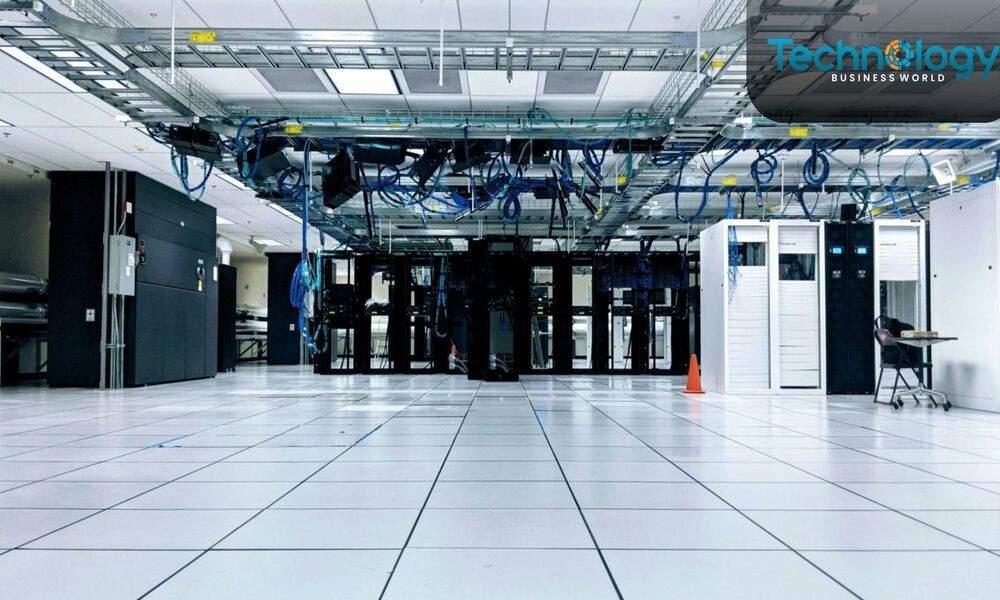
However, traditional ERP systems often require significant infrastructure, long implementation cycles, and ongoing maintenance costs. Businesses must manage software updates, security patches, and hardware upgrades internally, which can demand substantial technical resources. While these systems offer high levels of control and customization, they can also become difficult to scale as organizations grow or expand into new markets.
In contrast, cloud ERP has emerged as a more flexible and scalable alternative. Cloud-based ERP platforms are hosted on remote servers and accessed through the internet, allowing companies to manage operations without maintaining complex on-site infrastructure. This model has gained popularity as businesses increasingly seek faster deployment, lower upfront costs, and the ability to access systems from anywhere.
Industry analysts note that cloud ERP adoption has accelerated significantly in recent years, particularly as remote work and global digital collaboration become more common. Companies can deploy cloud solutions more quickly and update their systems automatically, ensuring they always have access to the latest features and security improvements.
Another advantage of cloud ERP is its ability to support real-time data access and advanced analytics. Executives can monitor operations, financial performance, and supply chain activities through integrated dashboards, enabling faster and more informed decision-making. Cloud platforms also make it easier to integrate ERP systems with other digital tools, including customer relationship management (CRM) software, e-commerce platforms, and artificial intelligence applications.
Despite these benefits, traditional ERP systems still hold value for certain organizations. Businesses operating in highly regulated industries or handling extremely sensitive data may prefer on-premise systems for greater control over security and compliance. Some large enterprises with complex legacy infrastructures also continue to rely on traditional ERP platforms due to the high cost and risk associated with large-scale system migration.
As a result, many companies are adopting hybrid approaches that combine elements of both cloud and traditional ERP. In these models, critical data or specific applications remain on internal servers, while other functions are moved to the cloud to improve flexibility and scalability.
Looking ahead, industry experts suggest that cloud ERP will continue to gain momentum as digital transformation accelerates across global markets. However, the future may not be defined by a complete replacement of traditional systems. Instead, organizations are likely to adopt a balanced approach that blends cloud innovation with the reliability and control of existing infrastructure.
Ultimately, the choice between cloud ERP and traditional ERP depends on each company’s operational needs, technological readiness, and long-term strategy. As businesses continue to adapt to an increasingly digital economy, ERP systems—whether cloud-based, on-premise, or hybrid—will remain critical tools for managing complex operations and driving sustainable growth.