The rapid evolution of the Industrial Internet of Things (IIoT) is redefining how industries operate, compete, and scale in an increasingly digital world. By connecting machines, systems, and processes through advanced sensors and real-time data analytics, IIoT is enabling manufacturing and logistics sectors to become more intelligent, efficient, and responsive than ever before.
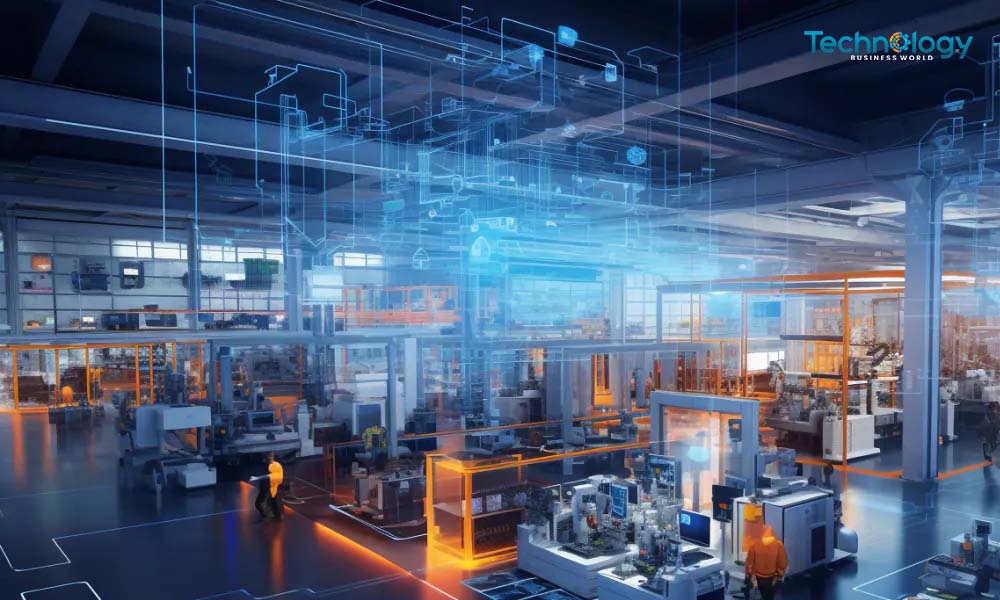
In manufacturing, IIoT is laying the foundation for fully integrated smart factories. These facilities leverage interconnected devices to monitor production lines, optimize workflows, and ensure consistent quality. Industry leaders such as Siemens and Bosch have been at the forefront of deploying IIoT-enabled systems that provide real-time visibility into operations. This level of transparency allows manufacturers to identify inefficiencies, reduce waste, and improve overall productivity.
One of the most impactful applications of IIoT is predictive maintenance. Instead of relying on scheduled servicing or reacting to unexpected breakdowns, companies can now use data-driven insights to anticipate equipment failures before they happen. Sensors embedded in machinery continuously monitor parameters such as temperature, vibration, and pressure. When anomalies are detected, alerts are triggered, enabling timely intervention. Organizations like General Electric have successfully implemented predictive maintenance solutions, significantly reducing downtime and operational costs.
Beyond the factory floor, IIoT is revolutionizing logistics and supply chain management. Real-time tracking systems powered by IIoT provide end-to-end visibility of goods as they move across the supply chain. From warehouses to transportation networks, every stage can be monitored and optimized. Companies such as DHL are leveraging IIoT technologies to enhance route planning, improve delivery accuracy, and reduce fuel consumption. This not only improves efficiency but also contributes to sustainability goals.
Another critical advantage of IIoT is enhanced data-driven decision-making. With vast amounts of data generated from connected devices, organizations can gain actionable insights into performance trends, customer demand, and operational bottlenecks. Advanced analytics and artificial intelligence further amplify these insights, enabling businesses to make faster and more informed decisions. This shift from intuition-based to data-driven strategies is helping companies stay competitive in dynamic market environments.
However, the adoption of IIoT is not without challenges. Cybersecurity remains a major concern, as increased connectivity can expose systems to potential threats. Ensuring data privacy and building robust security frameworks are essential for safe IIoT implementation. Additionally, integrating legacy systems with modern IIoT platforms can be complex and require significant investment.
Despite these challenges, the future of IIoT in manufacturing and logistics is highly promising. As technologies continue to evolve, the integration of edge computing, 5G connectivity, and artificial intelligence will further enhance the capabilities of IIoT systems. Companies that embrace this transformation will not only improve efficiency and reduce costs but also unlock new opportunities for innovation and growth.
In conclusion, Industrial IoT is more than just a technological upgrade—it is a strategic enabler that is reshaping the industrial landscape. By driving smarter operations, improving supply chain visibility, and enabling predictive capabilities, IIoT is setting a new standard for excellence in manufacturing and logistics.