Artificial intelligence (AI) is rapidly transforming the logistics and supply chain industry, introducing new levels of automation, efficiency, and predictive intelligence. As companies increasingly adopt AI-driven technologies to manage operations, a critical question is emerging within the industry: Could AI eventually replace human-driven supply chains?
Logistics has traditionally relied on human coordination to manage complex processes such as inventory planning, transportation management, warehouse operations, and demand forecasting. These processes often involve large volumes of data and require quick decision-making to ensure goods move smoothly from manufacturers to consumers. However, with the rapid advancement of AI and data analytics, many of these tasks are becoming increasingly automated.
One of the most significant ways AI is reshaping logistics is through predictive analytics. AI systems can analyze historical data, market trends, and real-time supply chain conditions to forecast demand more accurately. This allows companies to optimize inventory levels, reduce overstocking or shortages, and improve overall operational efficiency.
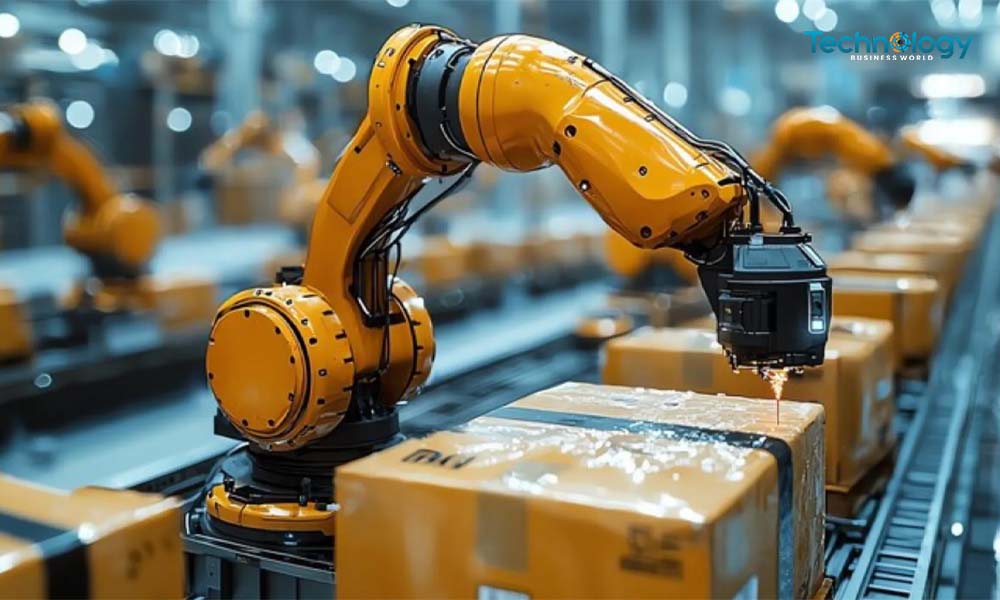
Warehouse automation is another major area where AI is making a strong impact. Modern warehouses are increasingly equipped with intelligent robots that can sort, pick, and transport goods with high speed and precision. AI-powered systems can monitor warehouse activity, optimize storage layouts, and ensure faster order fulfillment, significantly reducing the need for manual labor in repetitive tasks.
Transportation and route optimization have also benefited from AI technology. Advanced algorithms can analyze traffic conditions, weather patterns, fuel consumption, and delivery schedules to determine the most efficient transportation routes. This not only reduces delivery times but also helps companies lower fuel costs and minimize environmental impact.
In addition, AI-powered tracking systems are improving supply chain visibility. Companies can now monitor shipments in real time, receive alerts about potential delays, and quickly adjust logistics strategies when disruptions occur. This level of transparency allows businesses to respond more effectively to unexpected challenges such as supply shortages or transportation bottlenecks.
Despite these technological advancements, experts argue that the complete replacement of human-driven supply chains is unlikely in the near future. While AI excels at processing large datasets and optimizing repetitive operations, human judgment remains essential for strategic planning, crisis management, and complex decision-making.
Supply chains often face unpredictable disruptions such as geopolitical conflicts, natural disasters, and sudden market shifts. In these situations, human expertise is critical for evaluating risks and developing adaptive strategies that AI systems may not yet be capable of handling independently.
Another important factor is the need for collaboration and relationship management within supply chain networks. Logistics operations involve partnerships between suppliers, manufacturers, transportation providers, and distributors. Human leadership and negotiation skills remain essential for maintaining these relationships and ensuring smooth coordination.
Looking ahead, the future of logistics is likely to involve a hybrid model where AI and human expertise work together. AI will continue to automate routine processes and provide powerful analytical insights, while human professionals focus on strategy, oversight, and innovation.
Rather than replacing human-driven supply chains entirely, AI is more likely to transform them—creating smarter, faster, and more resilient logistics networks capable of meeting the demands of an increasingly globalized economy.