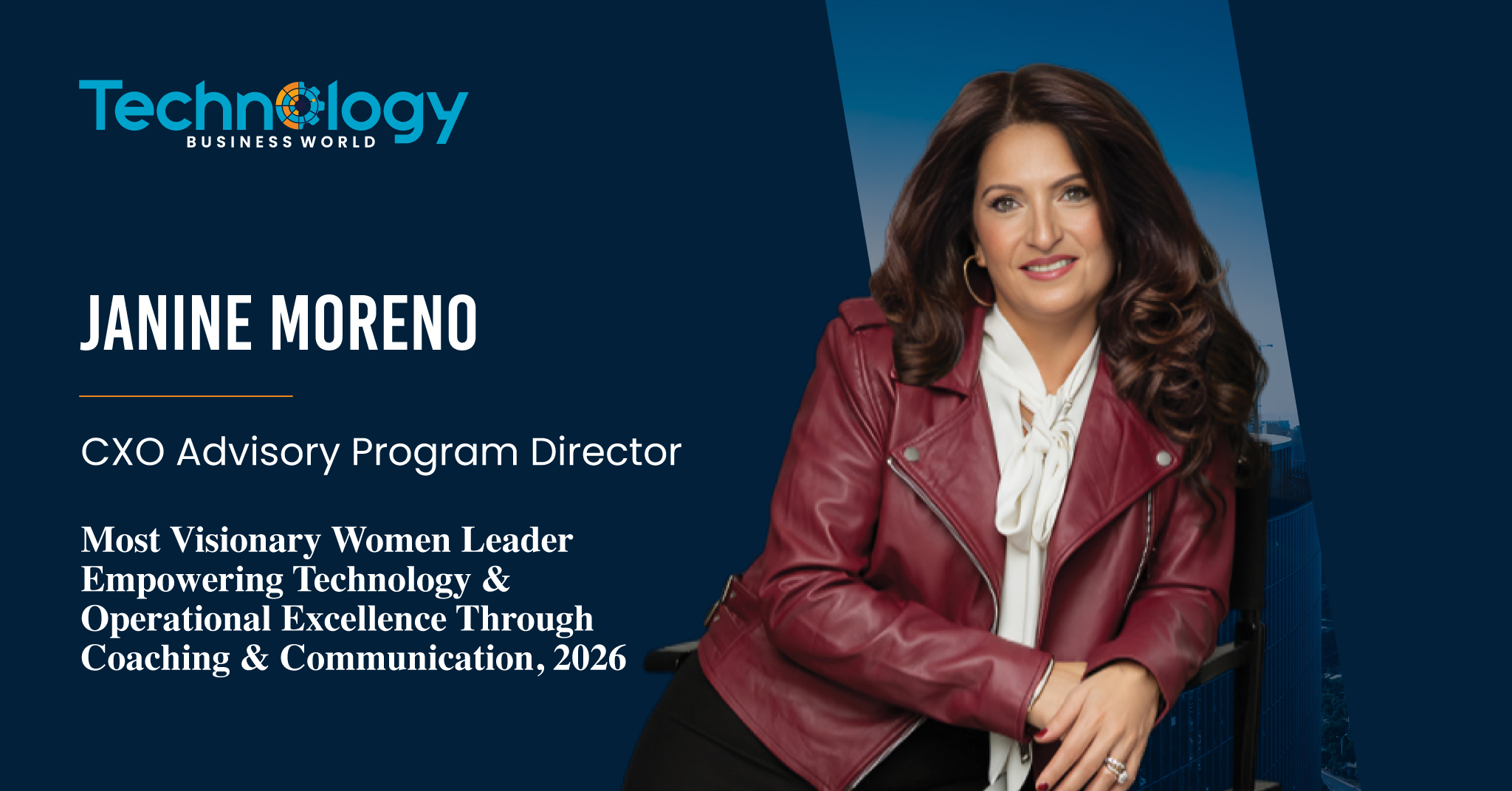
The conference hall was filled with energy long before the discussions began. Professionals from diverse industries gathered with a common purpose—to explore how women leaders are reshaping technology, operations, and organizational culture through the power of coaching and communication.
As the conversations unfolded, one message became increasingly clear: leadership today is no longer defined solely by authority, technical expertise, or years of experience. The most impactful leaders are those who can inspire people, create trust, and guide teams through change while maintaining operational excellence.
The day began with a thought-provoking discussion around the evolving role of women in leadership. Participants reflected on how workplaces have transformed over the years. While technology has accelerated business growth, human connection remains at the heart of every successful organization. Advanced systems, artificial intelligence, and automation can streamline processes, but people continue to drive innovation, collaboration, and decision-making.
Many leaders shared stories of navigating complex challenges in rapidly changing environments. Whether managing large teams, implementing digital transformation projects, or leading operational functions, they emphasized the importance of communication as a strategic leadership tool. Effective communication was described not merely as the exchange of information but as the ability to align people with a shared vision.
As discussions progressed, the concept of coaching emerged as a central theme. Traditional leadership models often focused on directing teams and providing solutions. Today’s leaders, however, are increasingly adopting a coaching mindset asking questions, encouraging reflection, and empowering individuals to discover their own paths forward.
Participants highlighted how coaching helps unlock potential across organizations. Instead of simply assigning tasks, leaders who coach create environments where employees feel valued, heard, and motivated to contribute their best ideas. This approach fosters innovation, strengthens accountability, and builds resilient teams capable of adapting to uncertainty.
Technology was another key area of focus throughout the event. With artificial intelligence, automation, and data-driven decision-making becoming integral to modern businesses, leaders acknowledged the need to balance technological advancement with human-centered leadership.
Several examples illustrated how organizations are leveraging technology to improve efficiency and operational performance. Automated systems are reducing repetitive tasks, enabling employees to focus on strategic work. Data analytics are helping businesses make faster and more informed decisions. Digital platforms are enhancing collaboration across geographical boundaries.
Yet, despite these advancements, attendees agreed that technology alone cannot guarantee success. The effectiveness of any technological initiative depends largely on how leaders communicate its purpose and guide teams through the transition. Resistance to change often stems not from the technology itself but from uncertainty and lack of understanding.
Women leaders at the event emphasized the importance of empathy during transformation journeys. By listening actively, addressing concerns, and fostering open dialogue, leaders can help teams embrace change with confidence. Communication, therefore, becomes the bridge between innovation and adoption.
The conversation also explored operational excellence from a broader perspective. Traditionally associated with efficiency, productivity, and process optimization, operational excellence today encompasses much more. It involves creating cultures of continuous improvement, encouraging cross-functional collaboration, and empowering employees at every level to contribute to organizational success.
Participants shared experiences demonstrating how coaching and communication directly influence operational outcomes. Teams that feel supported and informed are more engaged, more innovative, and better equipped to solve problems. Strong communication reduces misunderstandings, improves coordination, and enables faster execution of strategic initiatives.
Another recurring theme was the importance of adaptability. The modern workplace continues to evolve at an unprecedented pace. New technologies emerge regularly, customer expectations shift rapidly, and global challenges create uncertainty. In such an environment, leaders must cultivate agility not only within themselves but throughout their organizations.
Coaching was identified as a powerful mechanism for building this adaptability. Through coaching conversations, leaders encourage employees to develop critical thinking skills, embrace learning opportunities, and approach challenges with a growth mindset. These capabilities are essential for thriving in an increasingly complex world.
As the day continued, discussions expanded beyond professional success to include personal leadership journeys. Many participants reflected on moments of growth, resilience, and transformation. Their experiences highlighted that leadership is not a destination but a continuous process of learning and self-development.
A particularly powerful takeaway emerged around the idea of influence. True leadership, attendees noted, is not measured by titles or positions. It is reflected in the ability to inspire confidence, build meaningful relationships, and create environments where people can succeed. Through coaching and communication, leaders have the opportunity to influence not only business outcomes but also the lives and careers of those around them.
The event concluded with a shared sense of optimism about the future. As organizations continue to navigate technological disruption and operational challenges, the role of women leaders will remain increasingly significant. Their ability to combine strategic thinking with empathy, technological understanding with human connection, and operational rigor with coaching excellence positions them as powerful catalysts for transformation.
The discussions served as a reminder that the future of leadership lies at the intersection of technology and humanity. While innovation will continue to shape the business landscape, sustainable success will depend on leaders who can communicate with clarity, coach with purpose, and inspire people to achieve extraordinary results together.
In the end, the gathering was more than a conversation about leadership it was a celebration of the individuals who are redefining what leadership looks like in the modern era, proving that operational excellence and technological advancement are most impactful when driven by empowered, communicative, and visionary leaders.