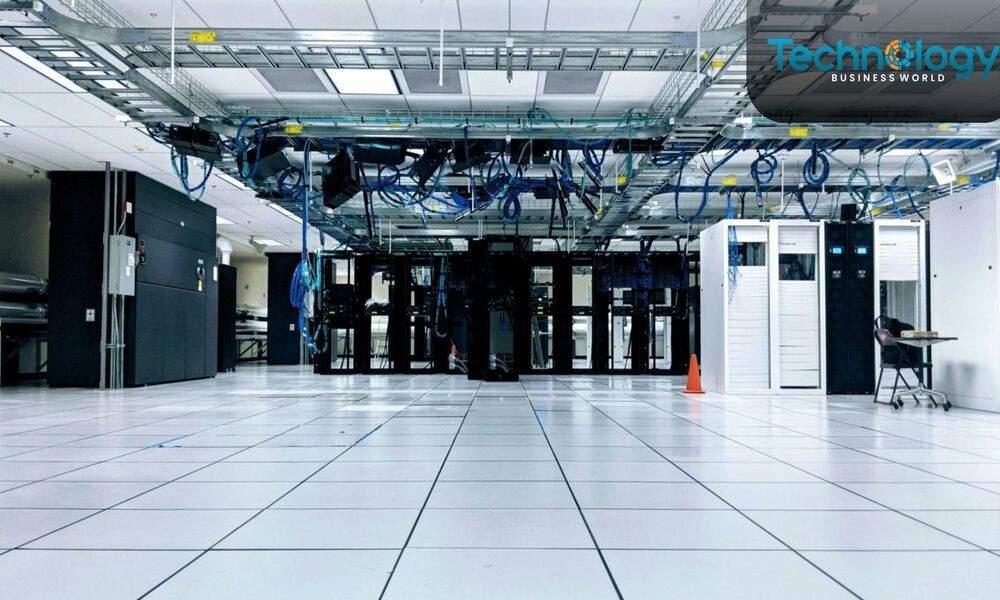
The rapid growth of cloud computing is driving an unprecedented demand for modern data centres around the world. Businesses are expanding their digital operations, adopting advanced computing technologies, and relying more heavily on cloud-based services than ever before. However, the pace of infrastructure development is struggling to keep up with this demand.
Recent industry findings highlight that delays in building new data centres, combined with increasing electricity requirements, are creating new challenges for cloud providers. The latest AI cloud report suggests that while cloud services continue to grow, infrastructure limitations and power availability are becoming major concerns for technology companies, governments, and enterprise customers.
Growing Demand Is Putting Pressure on Data Centres
Cloud platforms support everything from enterprise software and digital banking to healthcare, manufacturing, and research. As organizations process larger amounts of information, they require more computing power and storage capacity.
The increasing AI impact on data center infrastructure has accelerated the need for larger and more powerful facilities. Modern data centres now require significantly more electricity than traditional computing facilities because they operate thousands of high-performance servers around the clock.
Industry experts note that expanding cloud capacity is no longer only a technology challenge—it is also an infrastructure and energy challenge.
Data Centre Construction Is Facing Delays
Building a new data centre involves securing land, obtaining permits, installing power connections, and constructing highly specialized facilities. Many projects are taking longer than expected due to equipment shortages, longer approval processes, and limited access to electrical infrastructure.
These delays are affecting the speed at which cloud providers can add new computing capacity. Businesses that depend on cloud services may experience longer waiting periods for additional resources in regions where supply is limited.
Many organizations reviewing the latest AI cloud PDF reports are closely monitoring how infrastructure delays could influence future technology investments.
Power Supply Has Become a Major Concern
One of the biggest challenges is ensuring a reliable supply of electricity for expanding cloud infrastructure.
Industry discussions continue around the question, “AI is fueling a data center boom—can the power grid keep up?” As computing demand grows, energy providers must also increase power generation and strengthen transmission networks.
Several regions are already experiencing pressure on local power grids as more large-scale data centres are connected. Utilities are being asked to expand capacity while also supporting clean energy goals and maintaining reliable electricity supplies for homes and businesses.
Without sufficient power infrastructure, even completed data centres may not be able to operate at full capacity.
Cloud Providers Continue Investing in Expansion
Despite these challenges, major cloud providers continue investing billions of dollars in new facilities across multiple countries.
The latest AI spending is fuelling cloud evolution challenges remain discussions show that companies are balancing rapid expansion with infrastructure constraints. Investments are being directed toward:
Building More Efficient Facilities
New-generation data centres are designed to consume less energy while delivering higher computing performance.
Expanding Renewable Energy
Many operators are investing in solar, wind, and other renewable energy projects to support long-term sustainability goals.
Improving Cooling Technologies
Advanced cooling systems help reduce electricity consumption while maintaining optimal server performance.
Upgrading Power Infrastructure
Companies are working with governments and utility providers to improve access to reliable electricity for future expansion.
Infrastructure Challenges Affect Business Growth
Businesses rely on cloud platforms for daily operations, customer services, software development, and digital transformation.
When infrastructure expansion slows, organizations may face higher operating costs, longer deployment timelines, and reduced flexibility when scaling digital services.
The growing discussion around cloud AI limit reflects concerns that infrastructure development must continue alongside increasing computing demand.
Technology companies are also focusing on improving hardware efficiency, optimizing workloads, and designing software that uses computing resources more effectively.
Rising Energy Demand Draws Global Attention
Energy experts are increasingly discussing AI data centers and the coming US power demand surge as one of the major infrastructure issues for the next decade.
The United States, Europe, and several Asian countries are investing in both new data centres and expanded electricity generation to support future economic growth.
Governments, utility companies, and technology firms are expected to work together to improve power infrastructure, modernize electrical grids, and accelerate clean energy projects.
These efforts will help ensure that cloud services continue expanding without placing excessive pressure on existing energy systems.
The Road Ahead for Cloud Infrastructure
The rapid expansion of cloud computing continues to create exciting opportunities for businesses worldwide, but infrastructure development must keep pace with growing demand. Data centre construction delays, increasing electricity requirements, and limited power availability remain important challenges that require long-term planning.
As highlighted in recent AI cloud report findings, continued investment in energy infrastructure, efficient data centres, and sustainable technologies will be essential for supporting the next generation of cloud services. With stronger collaboration between technology companies, governments, and energy providers, the industry can build a more reliable and resilient cloud ecosystem that meets future business needs.
Read our latest interview with Janine Moreno