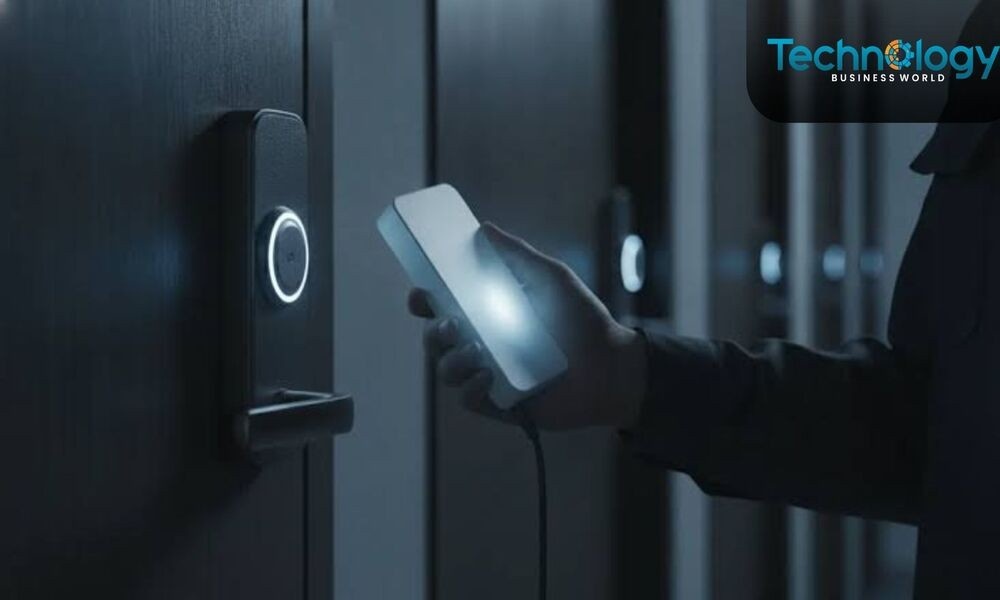
The Internet of Things (IoT) is rapidly becoming an integral part of everyday life, connecting devices, homes, vehicles, and workplaces through the power of the internet. From smart thermostats and wearable health trackers to connected home appliances and voice assistants, IoT technologies promise greater convenience, efficiency, and automation. However, as these connected devices become more widespread, concerns about privacy and data security are growing among consumers and experts alike.
IoT refers to a network of physical devices embedded with sensors, software, and connectivity that allow them to collect and exchange data. These devices can communicate with each other and with centralized systems, enabling users to monitor and control them remotely through smartphones or computers. The goal is to create smarter environments where technology simplifies daily routines and enhances productivity.
In households, IoT devices are transforming how people manage their homes. Smart lighting systems, connected security cameras, and intelligent home assistants allow users to control appliances, monitor energy usage, and enhance home security with just a few taps on a mobile app. For many consumers, these innovations offer both convenience and improved efficiency.
The healthcare sector has also embraced IoT technologies. Wearable fitness trackers and connected health monitoring devices can track heart rate, sleep patterns, and physical activity, helping individuals manage their health more effectively. In some cases, these devices allow healthcare providers to remotely monitor patients and detect potential health issues earlier.
In workplaces and industries, IoT systems are improving productivity and operational efficiency. Businesses use connected sensors to monitor equipment performance, track inventory, and optimize logistics operations. Smart offices can adjust lighting, temperature, and energy consumption automatically based on occupancy patterns, reducing operational costs while improving employee comfort.
Despite these advantages, the growing use of IoT devices has sparked serious discussions about privacy and data protection. Many connected devices collect large volumes of personal data, including location information, daily habits, and even voice recordings. This data can be valuable for improving services, but it also raises concerns about how it is stored, shared, and protected.
Cybersecurity risks are another major issue. IoT devices are often connected to broader networks, making them potential entry points for cyberattacks if not properly secured. Hackers targeting vulnerable devices could gain access to sensitive personal data or even control connected systems.
Experts also warn that many consumers may not fully understand the amount of data their devices collect. Lack of transparency in data policies and security standards can create uncertainty about how companies use or monetize personal information.
To address these concerns, technology companies and regulators are increasingly focusing on stronger data protection measures and improved device security standards. Clear privacy policies, encryption technologies, and regular software updates are becoming essential components of responsible IoT deployment.
As IoT continues to expand into nearly every aspect of modern life, the challenge will be finding a balance between convenience and privacy. While connected technologies offer remarkable benefits, ensuring that personal data remains protected will be crucial to maintaining public trust in the growing IoT ecosystem.