As climate concerns intensify and environmental responsibility becomes a global priority, technology is increasingly being positioned as a key driver of sustainability. From artificial intelligence optimizing energy consumption to advanced renewable systems reducing carbon emissions, technological innovation is often presented as a solution to some of the planet’s most pressing environmental challenges. However, an important question remains: is sustainability through technology a genuine, measurable impact, or simply a modern myth driven by corporate narratives?
Across industries, organizations are integrating digital solutions to improve efficiency and reduce environmental footprints. Technologies such as smart grids, precision agriculture, and advanced data analytics are helping companies monitor resource usage and minimize waste. Artificial intelligence, for instance, can analyze energy consumption patterns in real time and automatically optimize operations to reduce unnecessary power usage. These innovations are helping businesses transition toward more environmentally responsible practices.
Global technology leaders including Microsoft, Google, and Amazon have also made significant sustainability commitments. Many are investing in renewable energy projects, carbon reduction initiatives, and environmentally efficient data centers. Some companies have even pledged to achieve carbon neutrality or become carbon negative within the next decade, demonstrating how technology companies are positioning themselves at the forefront of climate action.
One of the most visible areas of technological impact is renewable energy. Advances in solar panel efficiency, energy storage systems, and grid management technologies are accelerating the global shift toward cleaner power sources. Digital platforms and smart infrastructure are making it easier to integrate renewable energy into national power systems, helping countries move away from fossil fuel dependence.
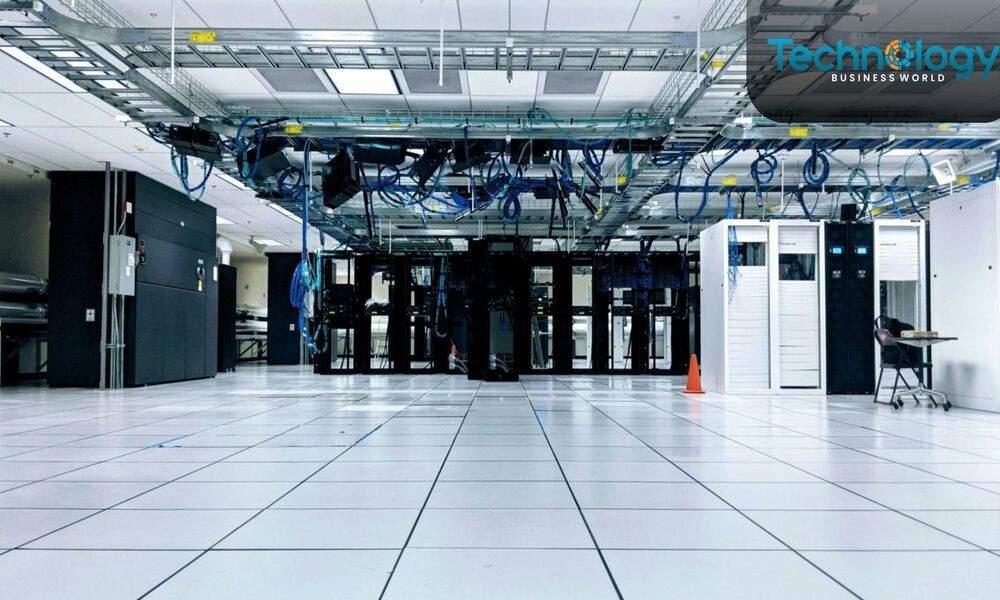
However, critics argue that technology itself also contributes to environmental challenges. Large data centers require significant energy resources, and the rapid growth of digital devices has increased electronic waste worldwide. The production of advanced technologies often depends on rare earth materials and complex global supply chains, which can create additional environmental pressures.
Moreover, some sustainability initiatives risk being labeled as “greenwashing,” where organizations promote environmentally friendly claims without delivering meaningful impact. Measuring real sustainability outcomes therefore requires transparent reporting, clear metrics, and long-term accountability.
Despite these concerns, many experts believe technology remains one of the most powerful tools available for addressing environmental challenges. Innovations in artificial intelligence, Internet of Things sensors, and predictive analytics are enabling better environmental monitoring, smarter urban planning, and more efficient industrial processes.
The reality is that sustainability through technology is neither a myth nor a guaranteed solution. Instead, it represents a powerful opportunity that must be carefully implemented and responsibly managed. When supported by strong policy frameworks, ethical innovation, and transparent accountability, technological advancements can deliver measurable environmental benefits.
Ultimately, the success of sustainability through technology will depend not only on innovation itself, but on how effectively businesses, governments, and societies choose to apply it.