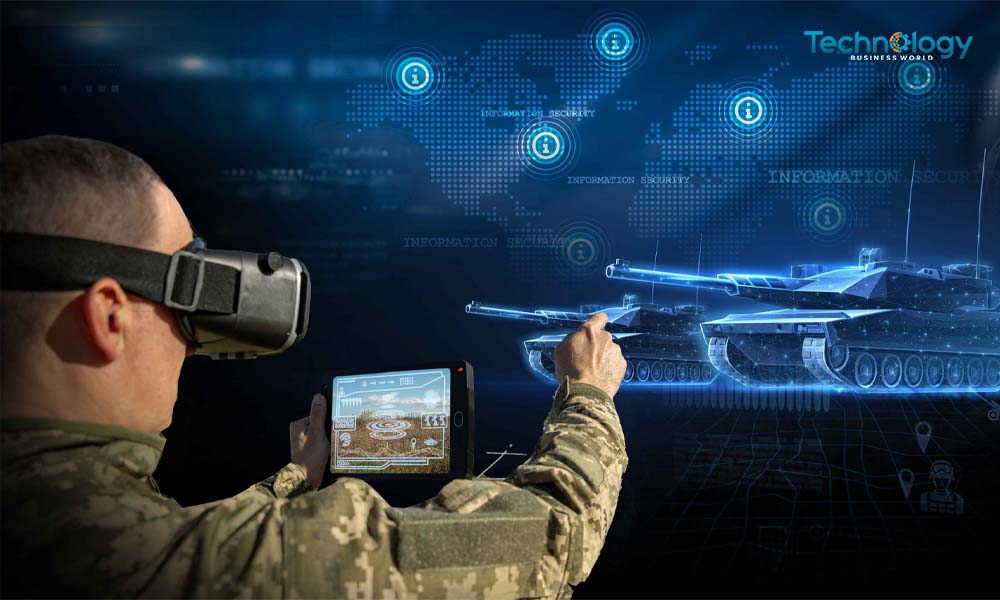
The integration of artificial intelligence into modern warfare is rapidly transforming the global defense landscape, sparking a critical debate among policymakers, military leaders, and ethicists: does AI represent a strategic advantage, or does it push the boundaries of ethics beyond acceptable limits?
Across the world, nations are investing heavily in AI-driven defense systems to gain a competitive edge. From autonomous drones and intelligent surveillance platforms to predictive analytics in combat scenarios, AI is enabling faster, more precise decision-making on the battlefield. Military forces are increasingly leveraging machine learning algorithms to identify threats, optimize logistics, and even simulate war scenarios, significantly enhancing operational efficiency.
One of the most notable developments is the rise of autonomous weapons systems—machines capable of selecting and engaging targets with limited or no human intervention. Proponents argue that such technologies can reduce human casualties by minimizing direct soldier involvement and improving accuracy in high-risk environments. AI-powered systems can process vast amounts of real-time data, enabling rapid responses that may be impossible for human operators under pressure.
However, the growing reliance on AI in warfare has raised serious ethical concerns. Critics warn that delegating life-and-death decisions to machines could undermine fundamental principles of international humanitarian law. Questions surrounding accountability remain unresolved: if an autonomous weapon makes a fatal error, who is responsible—the developer, the military commander, or the machine itself?
Human rights organizations have called for stricter regulations, emphasizing the need to maintain “meaningful human control” over lethal decision-making. There is also concern that AI could lower the threshold for conflict, making warfare more accessible and less politically risky, potentially leading to increased global instability.
Beyond ethics, the strategic implications of AI warfare are significant. Countries that lead in AI innovation may gain a decisive military advantage, triggering what many describe as a new technological arms race. This competition is not only about weaponry but also about data dominance, cybersecurity, and algorithmic superiority. As a result, global powers are accelerating investments in AI research and defense capabilities to avoid falling behind.
At the same time, vulnerabilities associated with AI systems—such as hacking, data manipulation, and system failures—pose new risks. An AI-driven system compromised by adversaries could lead to unintended escalations or catastrophic consequences, highlighting the importance of robust safeguards and international cooperation.
Despite these challenges, experts agree that AI in warfare is no longer a future concept but a present reality. The key question is not whether AI should be used, but how it can be governed responsibly. Striking a balance between leveraging AI for strategic advantage and upholding ethical standards will be critical in shaping the future of global security.
As nations navigate this complex landscape, the debate continues: will AI redefine warfare as a more precise and controlled domain, or will it introduce unprecedented ethical dilemmas that the world is not yet prepared to handle?